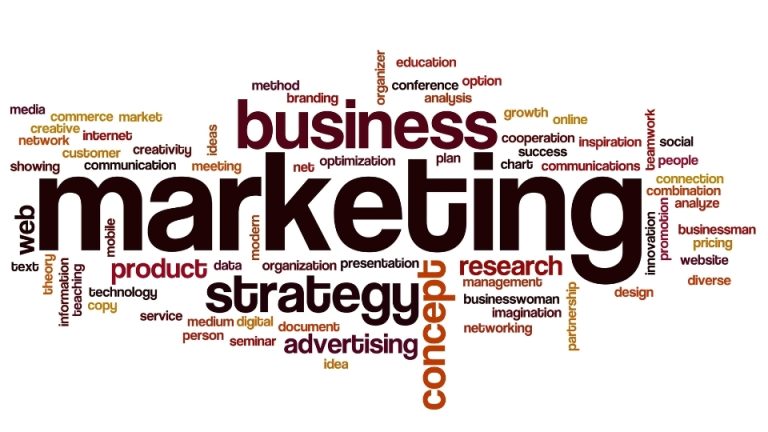
In today’s rapidly evolving business landscape, the importance of skilled professionals in shaping and executing effective business strategies cannot be overstated. As companies face increased competition, technological advancements, and shifting consumer preferences, having a team of adept strategists becomes crucial for maintaining a competitive edge. These professionals bring a wealth of knowledge, experience, and innovative thinking that can transform an organization’s vision into reality.
A skilled professional in business strategy is not just someone with theoretical knowledge; they are individuals who have honed their abilities through practical experience and continuous learning. They understand the intricacies of market dynamics and possess the analytical skills necessary to interpret complex data sets. By leveraging this expertise, they can identify emerging trends and potential disruptions that may impact the business environment. This foresight allows organizations to proactively adapt their strategies to capitalize on new opportunities or mitigate risks.
Furthermore, these professionals excel at aligning an organization’s resources with its strategic objectives. They possess strong leadership qualities that enable them to rally teams around a common goal while ensuring efficient resource allocation. Their ability to communicate effectively across all levels of an organization ensures that everyone understands their role in achieving strategic targets. This alignment fosters a culture phim sex of collaboration where innovation thrives and employees are motivated to contribute their best efforts towards shared success.
Another critical aspect where skilled professionals make a significant impact is in decision-making processes. In today’s data-driven world, making informed decisions requires more than just intuition; it demands evidence-based analysis combined with creative problem-solving skills. Professionals well-versed in strategy development use advanced tools such as SWOT analysis (Strengths Weaknesses Opportunities Threats) or PEST analysis (Political Economic Social Technological) alongside financial modeling techniques like scenario planning or sensitivity analysis when evaluating options before recommending actionable steps forward.
About the Author