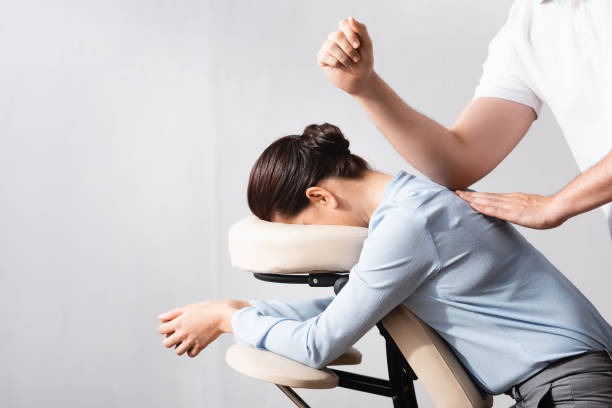
In the fast-paced world we live in today, maintaining a consistent daily recovery routine is essential for overall health and well-being. Physical activity, whether through exercise or daily tasks, can lead to muscle fatigue, stiffness, and minor aches. Many individuals seek effective methods to enhance their recovery process and alleviate discomfort. Massage chairs have gained popularity as a convenient tool that promises relaxation and therapeutic benefits within the comfort of one’s home. But do massage chairs truly help with daily recovery routines?
Massage chairs are designed to simulate various massage techniques such as kneading, rolling, tapping, and shiatsu. These functions aim to increase blood circulation, reduce muscle tension, and promote relaxation by targeting key muscle groups throughout the body. Improved blood flow is crucial because it helps deliver oxygen and nutrients to muscles while facilitating the removal of metabolic waste products like lactic acid that accumulate during physical exertion.
One of the primary advantages of using a massage chair reviews in a daily recovery routine is its ability to provide consistent therapy without requiring professional assistance or scheduling appointments. This accessibility allows users to integrate short sessions into their day easily-whether after workouts or at the end of a long day-to accelerate muscle repair processes. The mechanical pressure applied by these chairs can also stimulate sensory receptors in muscles and skin that may reduce pain perception through neurological pathways.
Moreover, regular use of massage chairs may contribute positively to mental health by reducing stress levels associated with physical discomfort or overexertion. Stress hormones such as cortisol negatively impact recovery by impairing immune function and increasing inflammation; therefore, promoting relaxation can indirectly support faster healing.
However, it is important to recognize that while massage chairs offer several benefits for general muscle relaxation and mild soreness relief, they should not replace professional medical treatment when dealing with severe injuries or chronic conditions. They work best as complementary tools rather than standalone solutions.
In addition to aiding physical recovery, incorporating massage chair sessions into daily routines encourages mindfulness about body awareness-paying attention to areas prone to tightness or fatigue-which can motivate better posture habits and injury prevention strategies over time.
In conclusion, massage chairs do provide valuable support in enhancing daily recovery routines by improving circulation, reducing muscle tension, alleviating minor pain sensations, and fostering relaxation both physically and mentally. When used appropriately alongside other healthy habits such as proper hydration, nutrition intake, stretching exercises, rest days from intense activities,and consultation with healthcare professionals if needed-they become an effective component for maintaining optimal body function amidst demanding lifestyles.
About the Author